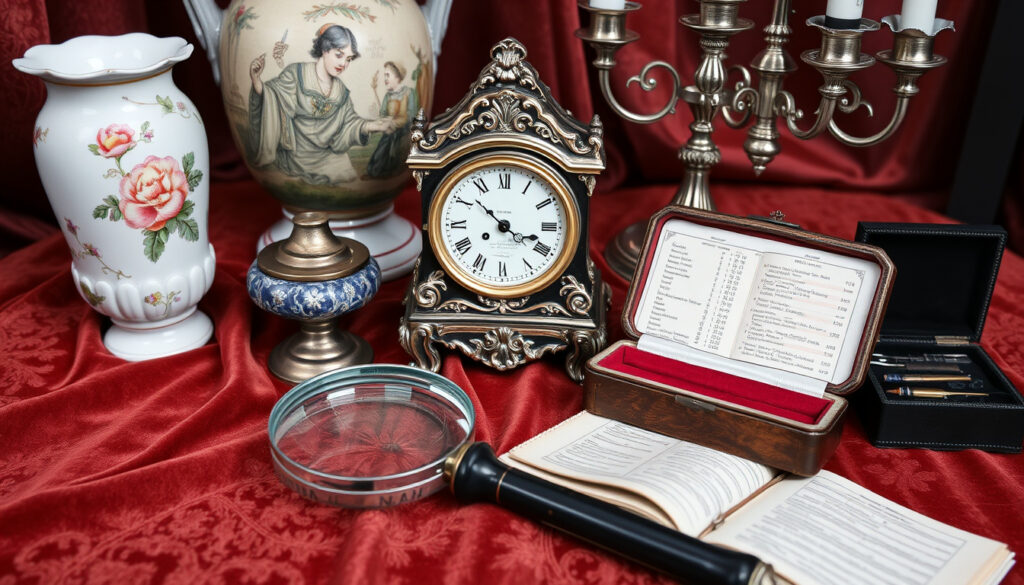
How Much Is It Worth – Complete Guide to Valuing Antiques
Determining the worth of antiques, collectibles, and valuables requires systematic evaluation rather than guesswork. Whether preparing for insurance, planning an estate sale, or simply satisfying curiosity, understanding valuation principles helps owners make informed decisions about their possessions.
Professional appraisers assess multiple dimensions before assigning value, drawing on market data, physical examination, and historical research. The process balances objective criteria with current market conditions, producing valuations that serve specific purposes ranging from insurance coverage to auction estimates.
This guide explains the core factors that drive value, the different types of appraisals available, and the steps owners can take to obtain reliable valuations for their items.
What Determines How Much Something Is Worth?
Appraisers evaluate collectibles and valuables by examining several interconnected factors. Each element contributes to the overall picture, though their relative importance varies depending on the item type and intended use of the valuation.
Category, genre, maker, and period define baseline value parameters for comparison.
Damage, wear, restorations, and completeness directly impact desirability and price.
Current demand, collector preferences, and economic factors influence what buyers will pay.
Certified experts provide documented valuations backed by research and market analysis.
Key Valuation Insights
- Condition alone can reduce value by two-thirds or more in common items, though extreme rarity may offset significant damage
- Documented provenance proving authenticity and ownership history substantially increases value
- Market demand fluctuates based on collector preferences, auction results, and regional economic conditions
- Age alone does not guarantee value without quality, desirability, and market demand
- Precious materials like gold, silver, or exotic woods establish baseline worth regardless of other factors
- Regional markets show notable price variations, with affluent areas commanding higher prices
- Different valuation purposes require different approaches and produce different figures for the same item
Snapshot: Core Factors Affecting Value
| Factor | Impact on Value | Example |
|---|---|---|
| Condition | Major impact; damage can reduce value by 66%+ | Chipped porcelain vs. pristine example |
| Rarity | Scarcity drives premium pricing | Limited production run with surviving pieces |
| Provenance | Documented history adds authenticity premium | Celebrity ownership or museum documentation |
| Market Demand | Current trends affect what buyers will pay | Mid-century modern furniture popularity |
| Materials | Precious materials establish floor value | Solid silver vs. silver-plate items |
| Craftsmanship | Quality construction enhances desirability | Hand-carved details vs. mass production |
The Key Factors Appraisers Examine
Condition Assessment
Physical state ranks among the most significant determinants of value. Appraisers carefully document damage, wear patterns, previous repairs, and missing components. For common items, significant damage can reduce value by two-thirds or more compared to equivalent pieces in excellent condition.
Pristine “mint” condition commands substantial premiums in most markets. However, extreme rarity can partially offset condition deficiencies, as collectors sometimes prioritize scarcity over perfection when acquiring items that rarely appear on the market. Proper storage and handling of valuables helps preserve condition over time, and owners should consider consulting resources on antique care and maintenance to protect their investments.
While rarity can compensate for damage in rare pieces, condition dramatically affects value for items with numerous surviving examples. A damaged common antique will lose far more percentage points than a damaged extremely rare item.
Rarity and Scarcity
Scarcity creates value when combined with quality and demand. Appraisers examine whether items feature unique characteristics, limited production runs, or historical distinctiveness. Age often correlates with rarity, but older items without accompanying quality or market demand do not automatically command high prices.
Limited production during specific historical periods, items with documented low survival rates, and pieces with unique features that were never widely distributed all benefit from rarity premiums.
Provenance Documentation
Documented ownership history strengthens valuations by establishing authenticity and adding narrative value. Certificates, receipts, signatures, exhibition records, and previous appraisal documents all contribute to provenance quality.
Comprehensive appraisals include photographs, measurements, maker’s marks, and documented provenance alongside valuation conclusions. This documentation proves essential for insurance claims, estate settlements, and authentication disputes.
Types of Appraisals and Their Purposes
Different objectives require different valuation approaches. Professional appraisers produce distinct reports depending on whether the purpose involves insurance coverage, estate planning, auction preparation, or donation documentation. Understanding these distinctions helps owners select the appropriate evaluation for their specific situation.
| Appraisal Type | Value Type | Primary Purpose | Example Use |
|---|---|---|---|
| Insurance | Replacement Value | Coverage calculation | Policies protecting against loss or damage |
| Fair Market | FMV | Sales, estates, taxes | Auction estimates, settlement calculations |
| Auction | Auction Value | Sale preparation | Setting reserve prices and starting bids |
| Damage/Loss | Depreciation-adjusted | Claims assessment | Insurance claims following incidents |
| Retail | Retail Value | Dealer pricing | Private sales, gallery listings |
Reports include item descriptions, comparable sales data, condition assessments, and market analysis, signed by qualified professionals. These documents carry weight with insurers, courts, and tax authorities when properly prepared. For comprehensive estate planning guidance, owners may find it helpful to review estate planning for valuable collections alongside their appraisal documentation.
How Experts Determine Accurate Valuations
Choosing Qualified Appraisers
Professional certification provides assurance of competence and ethical standards. Appraisers holding credentials such as ISA (International Society of Appraisers), ASA (American Society of Appraisers), or AAA (Appraisers Association of America) have demonstrated expertise through rigorous examination and continuing education requirements.
Beyond credentials, relevant specialization matters significantly. An appraiser focusing on fine art may lack expertise with industrial design or decorative arts, making specialization matching essential for accurate valuations.
Request information about relevant experience, ask for sample reports, inquire about valuation methodology, and confirm whether the appraiser carries professional liability insurance. Transparent professionals readily share this information.
Preparing Items for Appraisal
Owners can facilitate accurate valuations by gathering documentation and materials beforehand. Multi-angle photographs showing overall appearance and close-ups of damage, marks, or signatures help appraisers conduct preliminary research before in-person examination.
Measurements, original receipts, previous appraisal documents, and provenance records should be assembled. Condition notes describing any known damage, repairs, or alterations provide additional context for the appraisal process.
The Role of Research and Comparables
Appraisers analyze recent sales data, auction results, and catalog records to identify comparable items and establish market positioning. This research examines completed sales rather than asking prices, as listing prices often differ substantially from actual transaction values. Resources like ProAntic and Artprice provide access to auction databases that professionals consult when evaluating market positioning.
Regional market variations affect valuations, with items in affluent markets like Beverly Hills sometimes commanding premiums compared to equivalent pieces in other regions. Experienced appraisers account for these geographic differences when preparing valuations.
Market Dynamics and Value Fluctuations
Collector preferences evolve over time, creating shifting demand patterns that affect values. Items highly prized today may decline in popularity, while previously overlooked categories sometimes gain collector attention. This inherent market volatility means valuations require regular updating to remain accurate.
Economic conditions influence disposable income available for collecting, affecting auction results and dealer pricing across categories. Broader economic factors including interest rates, disposable income levels, and investment sentiment all impact the antiques and collectibles market.
Online platforms have transformed market transparency, providing buyers and sellers with access to pricing data previously available only to dealers and appraisers. However, this democratization of information also means that online listings require careful verification, as asking prices frequently differ from actual market values.
Getting Your Valuables Professionally Appraised
The process begins with identifying appropriate professionals for the specific item type and valuation purpose. Insurance appraisals require different methodologies than estate valuations or auction estimates, making purpose clarification essential before engaging an appraiser.
Initial consultations typically involve discussion of the items, their history, and the intended use of the valuation. Many appraisers offer preliminary assessments based on photographs and descriptions, with full valuations requiring in-person examination.
Costs vary based on complexity, item value, and appraiser expertise. While online valuation tools exist for preliminary research and low-value items, complex pieces with significant value require professional in-person assessment to ensure accuracy and defensibility. The iCollector platform offers one example of online resources that can supplement initial research, though professional verification remains essential for major financial decisions.
Common Valuation Myths
Several persistent misconceptions mislead collectors and owners about how valuation works. Antiques do not automatically appreciate in value over time; market forces determine value movements, and many items remain stable or decline.
Online listings and retail asking prices should not be confused with actual market values. What sellers ask frequently differs from what buyers pay, particularly at auction where competitive bidding creates different dynamics than fixed-price sales.
Relying solely on online research for significant financial decisions carries substantial risk. Marketplace prices vary widely, and professional verification ensures valuations withstand scrutiny from insurers, tax authorities, or potential buyers.
What Experts Know Versus What Remains Uncertain
Understanding the distinction between established facts and estimates helps owners interpret appraisal reports appropriately and set realistic expectations.
| Established Information | Uncertain or Estimated Information |
|---|---|
| Physical examination findings regarding condition | Future market value predictions |
| Documented provenance and ownership history | Impact of emerging collector trends |
| Maker’s marks and attribution evidence | Regional market variations without local data |
| Recent comparable sales data | Effects of economic fluctuations on future values |
| Material composition and construction quality | Authenticity of undocumented items |
The Value of Professional Expertise
Professional appraisers combine technical knowledge with market experience to produce valuations that serve specific purposes. Their expertise extends beyond simple price determination to include authentication, condition assessment, and identification of fakes or reproductions.
Certified professionals identify telltale signs of reproduction, restoration, or inauthentic materials that untrained observers might miss. This authentication capability protects owners from overpaying for misrepresented items and ensures legitimate pieces receive appropriate valuations.
For owners of significant collections or individual high-value items, professional appraisals represent a worthwhile investment. The documentation produced supports insurance coverage, estate planning, charitable donations, and informed decision-making about sales or retention.
Expert Perspectives on Valuation
Valuing antiques requires balancing objective criteria with current market realities. No piece exists in isolation from the broader collecting environment, and valuations must reflect what buyers actually pay in today’s markets, not yesterday’s assumptions.
Appraisers evaluate items through detailed examination, research, and market analysis to determine authenticity, historical significance, and worth. The interplay between these elements produces valuations that withstand professional scrutiny.
— The Art of Valuing Antiques: A Guide to Antique Appraisals
Key Takeaways
Determining value requires systematic evaluation of multiple factors including condition, rarity, provenance, and current market demand. Professional appraisals provide documented valuations backed by research and expertise, serving purposes from insurance coverage to auction preparation.
Owners benefit from understanding that valuations serve specific purposes and produce different figures accordingly. Insurance values differ from auction estimates, which differ from fair market valuations. Choosing the appropriate appraisal type ensures the valuation meets the intended need.
For those seeking to learn more about the appraisal process, How to Accurately Determine Antique and Art Value provides comprehensive guidance on professional valuation methods.
Frequently Asked Questions
How often should antiques be re-appraised?
Most professionals recommend re-appraisal every three to five years, or immediately after significant market changes, major purchases, or valuable estate items being added to collections.
Can I use an online valuation tool instead of a professional appraiser?
Online tools provide useful preliminary estimates for common items or initial research purposes. However, they lack accuracy for complex, rare, or high-value pieces requiring in-person authentication and condition assessment.
What documentation should I gather before an appraisal?
Collect multi-angle photographs, measurements, any original receipts or previous appraisals, provenance documents, and notes describing any known damage, repairs, or alterations to the item.
Does antique furniture increase in value over time?
Not automatically. While some categories appreciate, others remain stable or decline based on collector preferences, market trends, and overall economic conditions. Age alone does not guarantee value appreciation.
How do I find a qualified appraiser for my items?
Look for appraisers with recognized credentials such as ISA, ASA, or AAA certification, and verify they have relevant specialization in your item category. Request sample reports and references before engaging their services.
What is the difference between replacement value and fair market value?
Replacement value calculates what it would cost to replace an item with a comparable one today, used for insurance purposes. Fair market value reflects what a willing buyer would pay a willing seller, used for estates, taxes, and donations.
Can damaged items still have significant value?
Yes, particularly when rarity offsets condition deficiencies. Extremely scarce items may retain substantial value despite damage, though condition still impacts price among comparable pieces in varying states of repair.
More related posts
 KPop Demon Hunters Cast: Voice Actors, Singers & Characters
 Chris Eubank Jr: Record, Net Worth, Family & Next Fight
 Jay Harrington: From Better Off Ted to S.W.A.T.
 Chennai Super Kings vs Punjab Kings Timeline: Head-to-Head
 Caravan Storage Near Me: Costs, Rules & Options in Ireland
 Fix It Up Codes – 2024 Status and Redemption Guide
 How to Improve VO2 Max – Zone 2 and HIIT Training Guide
 Three Mobile Outage Compensation – Step-by-Step Claim Guide