I Who Have Never Known Men – Genre, Reviews, Quotes and Summary
First published in French in 1995, I Who Have Never Known Men by Belgian author Jacqueline Harpman emerged as a quietly unsettling work of speculative fiction. The novel centers on forty women imprisoned in an underground facility, watched over by silent male guards, with no explanation for their captivity. What begins as a study of enforced community gradually transforms into something stranger as the prisoners escape their confinement only to discover a world apparently emptied of human life. Harpman, a trained psychoanalyst, brings considerable psychological depth to this post-apocalyptic narrative, exploring how identity forms without reference points and how meaning persists in the absence of explanation. After remaining out of print for decades, the novel found renewed attention when Transit Books republished it in 2022 with an afterword by Sophie Mackintosh.
The book has accumulated considerable critical praise in subsequent years, with readers particularly responding to its exploration of female bonds forged under impossible circumstances. Where many post-apocalyptic narratives emphasize survival mechanics or societal collapse, Harpman’s work turns inward, examining how the mind constructs meaning when stripped of its familiar anchors. The result is a novel that resists easy categorization, existing at the intersection of literary fiction, science fiction, and feminist theory.
This guide examines the novel’s genre classification, critical reception, thematic preoccupations, and the questions that remain unanswered by Harpman’s deliberately enigmatic text. Readers considering the book should note that while it spans only 208 pages, multiple reviewers have cautioned that its emotional weight exceeds its modest length.
What is the genre of I Who Have Never Known Men?
Classification for I Who Have Never Known Men requires acknowledging multiple literary traditions simultaneously. The novel functions as literary fiction with science fiction and post-apocalyptic elements, though it resists the conventions typically associated with the latter category. Rather than depicting catastrophic events in detail, Harpman presents their aftermath, focusing on psychological and philosophical implications rather than action sequences or survival logistics.
Jacqueline Harpman
Science Fiction / Literary Fiction
1995 (French)
Post-apocalyptic female community
Core themes explored in the narrative
- Female friendship and intimacy developed under conditions of captivity and trauma
- Isolation and resilience in the face of inexplicable devastation
- Memory and identity when foundational experiences remain inaccessible
- Survival and adaptation within an apparently abandoned world
- Gender dynamics absent male presence, and the narrator’s unique perspective shaped by never having known men
Book details at a glance
| Attribute | Details |
|---|---|
| Original French Title | Moi qui n’ai pas connu les hommes |
| English Publisher | Transit Books (2022 republication) |
| Page Count | 208 pages |
| Format | Novel |
| First English Translation | 1997 (prior to 2022 reprint) |
| Afterword Author (2022) | Sophie Mackintosh |
| Literary Category | Feminist speculative literature |
Critics have positioned the work within the growing canon of feminist speculative literature, drawing comparisons to Ursula K. Le Guin’s exploration of gender and society, though tempered by what some describe as the bleakness more commonly associated with Cormac McCarthy’s The Road. The novel shares with Le Guin an interest in using speculative premises to examine how social structures shape individual consciousness, yet Harpman’s approach remains distinctly European in its philosophical pessimism.
What do readers say in I Who Have Never Known Men reviews?
Reader responses to I Who Have Never Known Men cluster around several recurring observations, with emotional intensity and thematic complexity featuring prominently in critical assessments on Goodreads. The novel has accumulated a readership that describes it in terms suggesting profound personal impact rather than mere intellectual engagement.
Positive reader reception
Multiple reviewers describe the novel as a “modern classic,” with particular praise directed toward Harpman’s prose style and psychological acuity. The New Yorker noted in 2025 coverage that the book had gained significant traction among readers seeking literary fiction that engages seriously with speculative premises. Common praise includes the quality of the writing itself, described as “well written” with atmospheric precision, and the “terrifying situations and ideas” the narrative explores.
Reviews frequently emphasize the novel’s exploration of being the last person on earth while carrying a past “clouded in mystery.” The combination of existential dread and intellectual curiosity appears to define the reading experience for most enthusiasts.
Critical reservations
Not all assessments prove uniformly positive. Some Goodreads reviewers note what they characterize as conservative treatment of themes regarding womanhood, virginity, religion, sexuality, and gender. These readers suggest the novel’s philosophical commitments occasionally restrict its exploration of certain topics, creating tensions between its progressive premises and more traditional conclusions. Additionally, one prominent reader review warned explicitly that the novel should not be read during vulnerable emotional states, describing it as a “dystopian novel devoid of hope, with a spurt of innate human curiosity.” This assessment captures the tonal paradox at the novel’s core: devastation punctuated by the persistence of wonder.
Community engagement patterns
Online discussion communities have contributed significantly to the novel’s contemporary visibility. Reddit discussions in particular have surfaced the novel’s emotional impact, with users focusing on themes of anger, absurdity, humanity, and loneliness. The conversation suggests readers respond strongly to Harpman’s refusal to provide easy answers about the catastrophe that depopulated her fictional world. Community discussions frequently circle back to the narrator’s unique position as someone who never knew the world before captivity, examining how this perspective shapes her relationship to both the imprisoned women and the desolate landscape beyond their cage.
What are key quotes from I Who Have Never Known Men?
Direct quotation from the novel proves difficult to document comprehensively based on available sources. The text’s French origins and limited contemporary print availability have restricted the circulation of specific passages. However, several thematic touchstones emerge consistently from secondary sources that illuminate the novel’s central preoccupations.
Time and imprisonment
The experience of incarcerated time receives significant attention throughout the narrative. Sources reference the concept of “numberless years” passing within the underground facility, where electric light eliminates natural distinctions between day and night, rendering temporal orientation impossible. This deliberate disorientation serves as more than atmospheric detail; it establishes the conditions under which the women’s community develops in the absence of external markers for identity or purpose.
The post-apocalyptic landscape
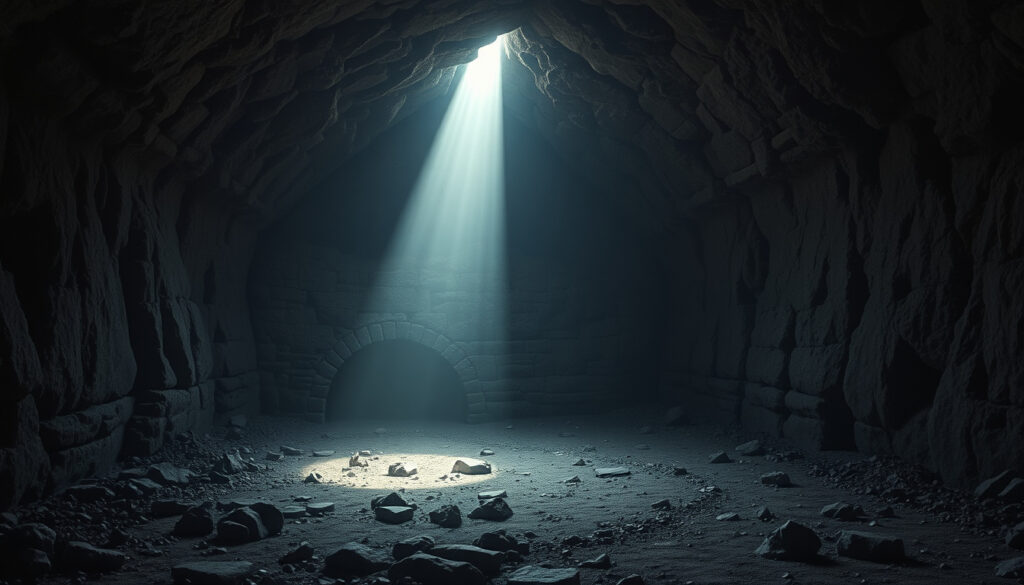
Descriptions of the world beyond captivity emphasize barrenness and scale. The women emerge onto “a vast, barren plain with no other people in sight,” a landscape that suggests human extinction without explaining its mechanism. The narrator’s subsequent discovery that almost no seasons exist on this world leads her to conclude she is no longer on Earth, raising questions about the nature of the catastrophe that the novel deliberately leaves unanswered.
The novel’s text functions as the narrator’s memoirs, composed in an underground bunker the protagonist eventually discovers. This bunker contains luxurious furnishings and scientific equipment, including books on astronautics. The framing device positions the narrative as testimony, recorded as the narrator prepares to die of uterine cancer, lending urgency to her account of existence without explanation.
Theoretical interpretations
Available sources do not document specific theoretical frameworks or critical interpretations that have achieved prominence in academic discussions of the novel. The text’s deliberate ambiguity invites multiple interpretive approaches, though comprehensive scholarly analysis would require access to primary sources beyond those currently indexed in major databases. Readers interested in theoretical frameworks are encouraged to consult the Sophie Mackintosh afterword in the 2022 Transit Books edition, which may provide contemporary critical perspective.
Is there a movie adaptation of I Who Have Never Known Men?
No confirmed movie adaptation of I Who Have Never Known Men exists as of current available records. The search results do not contain information about film rights, development deals, or production announcements related to Harpman’s novel. This absence should not be interpreted as definitive prohibition of future adaptation; many literary works receive screen treatment years after their initial publication.
The information currently available does not confirm any active development, announced cast, or production timeline for a film or television adaptation. Readers seeking updates on potential future adaptations should consult publishing industry news sources or the Transit Books website for announcements.
The novel’s structure presents interesting possibilities for adaptation. The narrative divides into distinct phases: imprisonment, escape, exploration, and final testimony. Each phase would require different tonal registers, from the claustrophobic intimacy of the underground cage to the desolate grandeur of the apparent alien world. The novel’s minimal dialogue and extensive interiority would demand creative solutions from any adaptation team, potentially favoring literary adaptation over direct translation to screen.
Recent increased attention to feminist speculative fiction in streaming and theatrical markets suggests conditions that might favor eventual adaptation. Works sharing thematic territory with Harpman’s novel have received significant cultural attention in recent years, potentially creating appetite for lesser-known entries in the genre.
Publication and reception timeline
Understanding when I Who Have Never Known Men reached readers helps contextualize its current reputation and the trajectory of its critical assessment. The novel’s publication history reveals periods of visibility separated by extended dormancy.
- 1995: Original French publication under the title Moi qui n’ai pas connu les hommes
- 1997: Final printing before extended period of unavailability
- 2022: Transit Books republishes novel in English with new afterword by Sophie Mackintosh
- 2023-2024: Growing visibility through Reddit community discussions and Goodreads attention
- 2025: The New Yorker publishes feature coverage, significantly expanding awareness
The twenty-five-year gap between 1997 and 2022 represents the novel’s most significant period of obscurity. During this time, Harpman continued her work as a psychoanalyst in Belgium while the novel circulated primarily through specialty bookshops and academic libraries. The 2022 republication marked a deliberate effort to reintroduce the work to contemporary readers, with Transit Books positioning it within current feminist speculative fiction discourse.
What is established versus unclear about this novel
Readers approaching I Who Have Never Known Men benefit from distinguishing between what sources confirm definitively and what remains genuinely ambiguous. The following comparison clarifies the boundaries of established knowledge.
| Established information | Information that remains unclear |
|---|---|
| Science fiction post-apocalyptic novel with literary fiction characteristics | The specific nature of the catastrophe that devastated humanity |
| Forty women imprisoned: thirty-nine adults and one young girl who serves as narrator | The mechanism by which women were selected for imprisonment |
| Guards are silent males who never address the prisoners | The guards’ identity, organizational affiliation, or motivations |
| Narrator discovers she is no longer on Earth, based on absence of seasons | How the narrator arrived at this conclusion scientifically |
| Jacqueline Harpman was Belgian, born 1929, trained as psychoanalyst, fled to Casablanca during WWII | Specific autobiographical connections between Harpman and the narrative |
| Novel is 208 pages in current English editions | Page count variations in other translations or editions |
| Narrator composes memoir in underground bunker, preparing for death from uterine cancer | The ultimate fate of other surviving women |
The author behind the novel
Jacqueline Harpman (1929-2019) brought professional experience as a psychoanalyst to her literary work, a background that manifests clearly in I Who Have Never Known Men’s psychological sophistication. Born in Etterbeek, Belgium, she fled to Casablanca with her family during World War II, an experience that clearly informed her novel’s exploration of captivity, displacement, and community under threat. Her psychoanalytic practice provided intimate observation of how individuals construct meaning and maintain identity under psychological pressure.
Harpman published several novels and essays throughout her career, though I Who Have Never Known Men achieved the most durable international recognition. Her death in 2019 preceded the novel’s renewed visibility through the 2022 republication and subsequent critical attention. The timing means Harpman did not witness the contemporary reassessment of her work, though her established reputation in Belgian literary circles preceded this latest development.
The decision to include an afterword by Sophie Mackintosh in the Transit Books edition creates a dialogue between generations of feminist speculative fiction writers. Mackintosh, whose own work explores similar themes of female experience and ontological uncertainty, provides contemporary context for Harpman’s earlier achievement.
Perspectives on Harpman’s novel
Modern classic and important addition to the growing canon of feminist speculative literature.
— BookBrowse assessment
Dystopian novel devoid of hope, with a spurt of innate human curiosity.
— Community reader review
The tension between these assessments captures something essential about the novel’s appeal. Harpman offers no comfort in the traditional sense, yet the narrator’s persistent curiosity, her determination to understand even an incomprehensible world, provides its own form of affirmation. The novel’s bleakness proves inseparable from its intellectual engagement; devastation and wonder coexist without resolution.
Summary and contemporary relevance
I Who Have Never Known Men endures as a significant work of feminist speculative fiction, combining psychological depth with post-apocalyptic premises in ways that continue to resonate with contemporary readers. Harpman’s background as a psychoanalyst informs a narrative attentive to the mechanics of identity formation, while her WW2 refugee experience lends authenticity to the exploration of captivity and displacement. The novel’s 208 pages contain considerable emotional and philosophical weight, prompting readers to approach the text with appropriate preparation.
The renewed attention the novel has received since its 2022 republication suggests timing that aligns with increased interest in feminist speculative fiction. Readers exploring this novel may also find value in examining how its themes intersect with broader conversations about gender, isolation, and meaning-making in times of crisis. For additional perspectives on contemporary literary fiction exploring similar concerns, readers might explore our coverage of audio drama developments or related genre fiction releases.
Frequently asked questions
How many pages does I Who Have Never Known Men contain?
The novel contains 208 pages in its current English editions published by Transit Books.
Is there a Reddit community discussing this novel?
Reddit discussions of the novel have contributed to its contemporary visibility, with community conversations focusing on emotional impact and thematic interpretation. Specific thread details would require current platform searches.
What is the novel’s rating on Goodreads?
The novel has accumulated reader reviews on Goodreads, with assessments describing it as well-written and emotionally impactful. Specific rating numbers would require current platform access.
What genre best describes this novel?
The work combines literary fiction with science fiction and post-apocalyptic elements, frequently classified within feminist speculative literature.
Has a movie adaptation been announced?
No confirmed movie adaptation exists based on currently available information.
Who wrote the 2022 afterword?
Sophie Mackintosh wrote the afterword included in the 2022 Transit Books edition.
What are the main themes of the novel?
Key themes include female friendship under trauma, isolation, memory and identity, survival in post-apocalyptic conditions, and gender dynamics in the absence of male presence.
When was the novel first published?
The original French publication occurred in 1995 under the title Moi qui n’ai pas connu les hommes.
More related posts
 Jennifer Love Hewitt: Biography, Age, Kids & Husband
 Lynn Faulds Wood: Watchdog host’s life, death and legacy
 BBC Drops Blackshore Episodes – Status and Where to Watch
 Elizabeth Rizzini: Age, Marriage, and BBC Weather Facts
 168 cm in Feet – Exact Conversion and Height Insights
 How to Improve VO2 Max – Proven Training Methods
 Hope Sandoval biography: what happened to Mazzy Star’s singer
 Alan Titchmarsh: Health, Wife, Net Worth & Career Facts