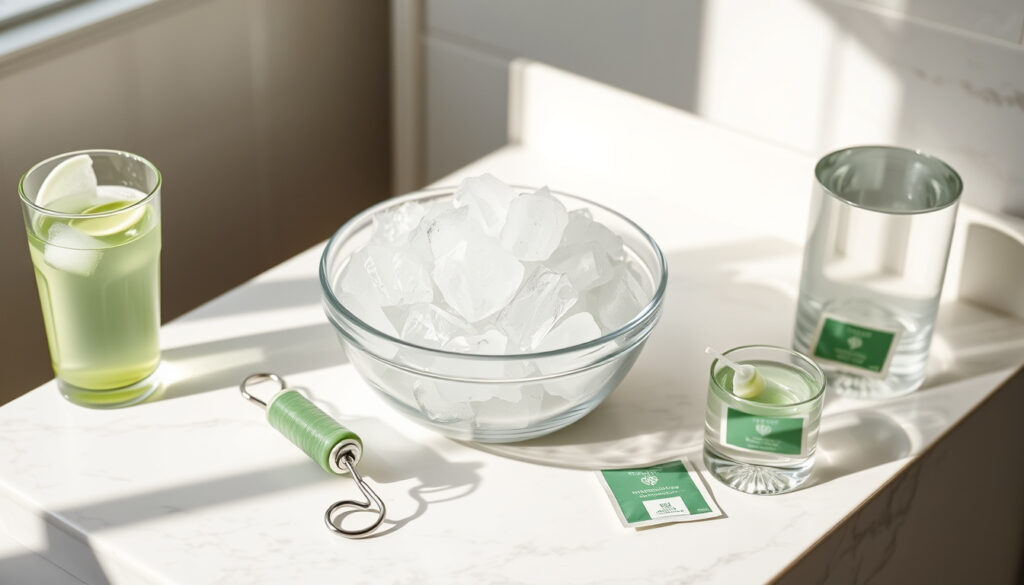
How to Debloat Your Face: Fast Depuffing Solutions
Waking up to a puffy face is a familiar frustration — the kind that makes you check your salt intake from last night’s dinner — whether it’s a big event or just a regular morning, knowing how to debloat your face quickly and effectively makes a real difference. This guide separates the fast fixes from the lasting solutions, backed by dermatologists and nutritional science, so you can depuff with confidence.
Daily sodium limit (WHO): 2,300 mg ·
Water intake (women): 2.7 liters/day ·
Water intake (men): 3.7 liters/day ·
Puffiness after high-sodium meal: Up to 4 hours ·
Fluid retention in facial swelling: Approx. 80%
Quick snapshot
- Cold water constricts blood vessels and reduces swelling (Truly Beauty)
- Caffeine creams are mild vasoconstrictors that depuff (Dr. Sam Ellis)
- High sodium intake causes facial fluid retention (Health.com (editorial))
- Elevated head during sleep prevents fluid pooling (Healthline (medical review))
- Long-term effectiveness of facial exercises for reducing fat vs. fluid
- Whether buccal fat removal is a safe debloating solution
- Optimal duration for facial icing to avoid tissue damage
- Whether antihistamines effectively reduce puffiness from allergies
- Whether cold exposure duration is safe for all skin types
- 2025 — Healthline publishes guide on foods to reduce facial bloating
- 2026 — Health.com and BBC update guides on face depuffing with expert analysis
- More research on lymphatic drainage protocols and long-term safety
- Growing consumer interest in non-invasive debloating tools
The table below summarizes key data points from health authorities.
| Factor | Value | Source |
|---|---|---|
| Sodium threshold | Under 2,300 mg/day to avoid retention | WHO (global health authority) |
| Hydration goal | 2–3 liters daily | National Academies (science advisory body) |
| Puffiness duration after high-salt meal | 4–6 hours | Health.com (editorial with expert review) |
| Caffeine vasoconstriction effect | Begins within 10 minutes, lasts ~1 hour | Dr. Sam Ellis (board-certified dermatologist) |
How do I debloat my face fast?
When you need to depuff in a hurry, the right techniques work fast — but only if you pick the ones that target fluid, not fat. Here’s what dermatologists recommend when time is tight.
Use a cold compress or ice
- Cold application can temporarily reduce facial puffiness by causing blood vessels to constrict (Dr. Sam Ellis, board-certified dermatologist).
- Submerging the face in an ice-water bath for 10 to 20 seconds at a time or gently massaging with an ice cube works quickly (Venus Treatments (aesthetic technology publisher)).
- A face can be submerged in ice water for 10 to 15 seconds for a fast de-puffing effect (Truly Beauty, skincare brand with editorial content).
Lymphatic drainage self-massage
- Facial massage or lymphatic drainage massage is presented as a way to help move excess fluid from the face (Dr. Sam Ellis, board-certified dermatologist).
- Facial massage can provide immediate de-puffing effects when performed gently with fingers or a gua sha tool and a lubricant (Venus Treatments, aesthetic technology publisher).
Drink water and avoid alcohol
- Getting up and moving is recommended because circulation and gravity can help drain excess fluid from the face (Dr. Sam Ellis, board-certified dermatologist).
- Dehydration can make people more prone to inflammation, which can contribute to puffiness (Venus Treatments, aesthetic technology publisher).
For someone waking up puffy before a work event, cold exposure and lymphatic massage are the fastest tools — but they treat fluid, not fat. The catch: if puffiness persists beyond a few hours, the issue is likely dietary or hormonal, not just overnight water retention.
The implication: quick fixes mask the root cause; if puffiness returns daily, diet and sleep deserve attention.
How to depuff face in 5 minutes?
Five minutes is enough if you know exactly which tools work and why. The goal: constrict blood vessels and shift stagnant fluid fast.
Apply caffeine-infused eye cream
- Caffeine is a mild vasoconstrictor, so caffeine-containing eye creams can genuinely reduce puffiness (Dr. Sam Ellis, board-certified dermatologist).
- Caffeine-containing skin care products are intended to help de-puff the skin, especially around the eyes (Venus Treatments, aesthetic technology publisher).
Use chilled spoons or jade roller
- Cold tools temporarily tighten skin, reducing the appearance of puffiness (Truly Beauty, skincare brand with editorial content).
- Gentle upward lymphatic drainage massage using fingers or a gua sha tool is recommended (Truly Beauty, skincare brand with editorial content).
Try a quick facial yoga move
- Facial exercises stimulate circulation, but no high-certainty evidence shows they reduce fluid bloat specifically (Healthline (medical review)).
A 5-minute routine buys you temporary results. The trade-off: caffeine and cold work for about an hour, not all day. If you need lasting depuffing, the root cause — not just the symptom — needs addressing.
The pattern: short-term measures are useful for social events but can’t replace daily habits.
Why is my face so puffy?
Understanding what’s behind the puffiness is the first step to fixing it. Most causes fall into a few predictable categories.
High sodium intake and water retention
- Sodium causes fluid retention leading to puffiness (Health.com, editorial with expert review).
- Consuming more than 2,300 mg of sodium per day increases the likelihood of visible facial puffiness (WHO, global health authority).
Alcohol consumption
- Alcohol dehydrates and dilates blood vessels, worsening puffiness (Healthline, medical review).
Allergies and lack of sleep
- Seasonal allergies can contribute to puffiness, and controlling them is recommended as part of management (Dr. Sam Ellis, board-certified dermatologist).
- Sleep deprivation elevates cortisol and inflammation (BBC (science and health editorial)).
- Sleep quality is described as an important long-term factor in reducing puffiness (Dr. Sam Ellis, board-certified dermatologist).
Hormonal changes
- Hormonal fluctuations, particularly around menstruation, can trigger water retention in the face (Health.com (editorial with expert review)).
Many people treat puffiness as a skincare problem when it’s actually a diet, sleep, or allergy problem. For a person with chronic puffiness, cutting sodium and checking allergies will do more than any cream.
What this means: treat the underlying triggers, not just the visible symptoms.
How do I debloat my fat face?
This is where confusion runs highest: many people mistake facial fat for fluid bloat, and the treatments are entirely different.
Buccal fat vs. fluid retention
- Facial fat is genetic and differs from temporary bloat (Healthline (medical review)).
- Buccal fat removal is a surgical procedure, not a debloating solution (Dr. Sam Ellis, board-certified dermatologist).
- Whether buccal fat removal is a safe debloating solution remains unclear.
Genetics and body composition
- Overall weight loss can reduce facial fat, but spot reduction is not possible (Healthline (medical review)).
- People who are otherwise slim may still have fuller faces due to genetic fat distribution (BBC (science and health editorial)).
Lifestyle changes to reduce facial fat
- Facial exercises may help tone muscles but cannot spot-reduce fat (Healthline, medical review).
- Long-term effectiveness of facial exercises for reducing fat vs. fluid is still unclear.
For someone with a naturally round face, no quick debloating method will change their bone structure or fat pads. The choice: accept genetic variation, or pursue overall body fat reduction — which may affect the face last, not first.
The catch: facial fat is structural; temporary methods won’t alter it.
How do I get bloating out of my face?
General debloating strategies work best when you combine short-term tactics with longer habit shifts.
Reduce salt and processed foods
- Keeping sodium under 2,300 mg/day prevents fluid retention (WHO, global health authority).
- Anti-inflammatory foods, such as fruits and vegetables, reduce systemic puffiness (Health.com, editorial with expert review).
Stay hydrated and limit alcohol
- Drinking 2–3 liters of water daily supports the kidneys in flushing excess sodium (National Academies, science advisory body).
- Alcohol is a diuretic that paradoxically leads to dehydration and puffiness (Healthline, medical review).
Sleep with head elevated
- Elevated head during sleep prevents fluid pooling in the face (Healthline, medical review).
- Getting a solid eight hours of sleep reduces puffiness (Venus Treatments, aesthetic technology publisher).
Incorporate cardio or facial exercises
- A 20-to-30-minute workout can help reduce facial puffiness by increasing circulation and moving lymph fluid (Venus Treatments, aesthetic technology publisher).
- Regular exercise promotes lymphatic flow (Healthline, medical review).
The implication: knowing your type determines the right approach.
Clarity check: what’s confirmed and what’s not
Confirmed facts
- Cold water reduces puffiness by constricting blood vessels (Truly Beauty)
- Caffeine narrows blood vessels in the skin (Dr. Sam Ellis)
- High sodium intake causes fluid retention in the face (Health.com)
- Sleeping with head elevated decreases morning puffiness (Healthline)
What’s unclear
- Long-term effectiveness of facial exercises for reducing fat vs. fluid
- Whether buccal fat removal is a safe debloating solution
- Optimal duration for facial icing to avoid tissue damage
- Whether antihistamines effectively reduce puffiness from allergies
- Whether cold exposure duration is safe for all skin types
Expert perspectives and key quotes
“Caffeine is a mild vasoconstrictor, so caffeine-containing eye creams can genuinely reduce puffiness.”
— Dr. Sam Ellis, board-certified dermatologist (via BBC)
“Wash with cold water: Cold water can constrict the blood vessels and help the swelling go down.”
— Healthline (editorial with medical review)
The implication for anyone reading: the most effective debloating methods are backed by basic physiology — cold constriction, caffeine vasoconstriction, and lymphatic movement. Tools and creams that claim otherwise need scrutiny. For more ways to improve circulation and overall fitness, see our guide on How to Improve VO2 Max – Proven Training Methods. Additionally, understanding inflammation markers can help; Serum C-Reactive Protein Level provides context.
For those looking to reduce overall face volume rather than just temporary puffiness, our guide offers similar tips for facial slimming that address long-term changes through diet and exercise.
Frequently asked questions
How long does face bloating usually last?
After a high-sodium meal, facial puffiness typically lasts 4 to 6 hours. Chronic puffiness may persist if sodium intake, allergies, or sleep issues are ongoing.
Does drinking water actually help debloat your face?
Yes — adequate hydration (2–3 liters daily) helps the kidneys flush excess sodium, which reduces water retention. Dehydration can worsen puffiness by promoting inflammation.
Can certain foods cause facial puffiness?
High-sodium foods like processed snacks, canned soups, and fast food are the most common triggers. Alcohol and high-sugar foods can also contribute by promoting inflammation and fluid retention.
Is it possible to debloat your face permanently?
Permanent debloating isn’t realistic, but you can reduce chronic puffiness by maintaining low sodium intake, consistent sleep, regular exercise, and managing allergies. Genetic facial fat won’t change with these methods.
Are lymphatic drainage tools (jade roller, gua sha) effective?
These tools can help move fluid when used with gentle pressure and a lubricant, providing temporary de-puffing. However, high-quality trials on their long-term effectiveness are lacking.
Does exercise help reduce facial puffiness?
Yes — a 20-to-30-minute workout increases circulation and promotes lymphatic drainage, which can reduce facial puffiness, especially when combined with hydration.
When should I see a doctor for persistent facial swelling?
If puffiness is sudden, severe, or accompanied by pain, redness, or difficulty breathing, seek medical attention. Persistent swelling may indicate allergies, thyroid issues, or other medical conditions.
Summary: For anyone dealing with facial puffiness, the choice is clear: identify whether it’s fluid retention or genetic fat, then use cold and massage for quick fixes or sodium reduction and sleep changes for long-term relief. Ignoring the root cause means chasing temporary results — and that’s a cycle you can skip.
More related posts
 Graham Greene (Actor) – Biography, Career Highlights and Facts
 Alexis Mac Allister: Child, Family, Transfer Rumors, Career
 Joan Plowright, Acclaimed Actress and Olivier’s Widow, Dies at 95
 Serum Alkaline Phosphatase Level: High, Low, Normal Range
 Pet Insurance for Dogs in Ireland: Costs & Providers 2026
 Older Short Hairstyles for Fine Hair Over 60: Best Cuts & Tips
 Best Salmorejo Near Me: Authentic Spanish Cold Tomato Soup